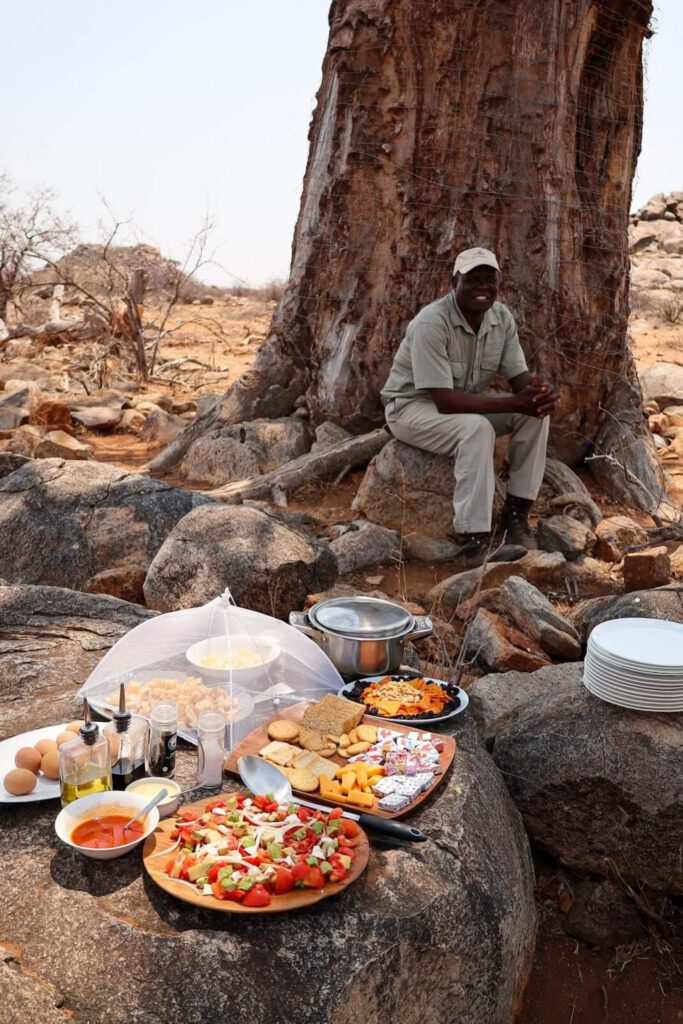
At Nature Connexion, we apply the principles of regenerative travel as much as we can, because we believe travel has the power to do more than simply minimise harm – it can actively restore and replenish the environments we move through. Conscious travel holds real potential to positively impact both the people and the fragile ecosystems that surround us.
Regenerative travel is a holistic approach, one that prioritises the wellbeing of the landscapes we visit and invites us to rethink the way we travel altogether. It’s about creating healthy, lasting connections between people, nature & communities, leaving each place better than we found it.
Communities
We create meaningful interactions between participants and the local communities we collaborate with, to maximise the benefits generated by tourism.
We favour collaboration with local businesses and suppliers for our trips and cultural activities.
We reinforce two-way interaction with communities and local staff to learn from their way of life and share experiences.
We encourage our guests to purchase from local suppliers and make use of local service providers.
We cultivate partnerships with local NGOs who care for communities and their environment, empower women, and encourage our participants to support those NGOs.
By booking a retreat with us, you contribute actively to improve women’s lives and help protect nature in rural Southern Africa.
Environment
Did you know that food bought from retailers is largely produced by commercial farming practices responsible for over 82% of carbon emissions released into the atmosphere? These emissions stem from sources like product and machinery manufacturing, material transportation, and both direct and indirect soil greenhouse gas emissions.
That’s why, at Nature Connexion, we make conscious choices:
We prioritize locally produced, organic, or sustainable goods and services over imported products whenever you choose a self-catering option.
We collaborate with local chefs and catering companies who share our ethical values.
We say no to plastic: no plastic bags, bottles, or straws on any of our trips.
We provide each participant with a reusable metal bottle, because every small choice adds up. One bottle at a time, we’re making a difference, together.
Accommodations
We select lodges, tented camps, game reserves, and just about every other aspect of your experience based on:
Their sustainability and how they replenish the environment. For example, we look for accommodation that has a low carbon footprint by using sustainable water and greywater management systems or by using renewable energy, composting, and recycling efforts.
Their conservation activities.
Their support and collaboration with local communities through permaculture and education.
Animal Welfare
We do our research and make informed decisions when we plan any visit to an animal orphanage or endangered species centre.
We only allow interactions with animals if they are free to roam without restraint and if they do not suffer from physical or emotional harm.
We inform our participants before they buy any animal products, as souvenirs can be an incentive for poaching, which is the illegal trade of wildlife.
CARBON FOOTPRINT
Every time you travel by air, stay at a hotel, use a taxi, or create waste, carbon emissions are being generated. There are ways you can minimise your carbon footprint while you travel. However, certain carbon emissions are unavoidable. That is where carbon offsetting plays a role. As a tourist, you can reduce your carbon emissions. Nature Connexion is committed to help you reduce your carbon footprint.
How you can reduce your carbon footprint
Carbon offsetting is one way to manage your carbon emissions that can’t be eliminated. We have partnered with Credible Carbon to assist our participants to do so. Credible Carbon helps us calculate your carbon footprint.
That way, we can:
Offset the emissions of your flights.
Offset the entire carbon emissions of your retreat to achieve carbon neutral experiences.
Feeling Guilty About Your Long Flight?
Short flights actually pollute more per kilometre than long ones. Domestic and short international flights (under 1 000 km) tend to use less fuel-efficient planes, and take-off burns much more fuel than cruising; so shorter trips end up with a bigger carbon footprint per kilometre than longer, more efficient long-haul flights.